

What are the best AI Humanizer tools?
An AI humanizer rewrites machine-generated text so it follows natural human writing patterns. You paste in AI output, and the tool adjusts phrasing, sentence flow, and structure while keeping the original meaning intact. The purpose is straightforward: reduce predictable patterns that detectors flag and make the text read like it was written by a person, not a model.
TL;DR: Best 6 AI Humanizer tools
Not all AI humanizers solve the same problem. Some tools focus on light paraphrasing. Others aim to change tone without fixing structure. The tools that work best are the ones that address why AI text gets flagged in the first place: predictable sentence flow, repeated phrasing, and flat rhythm.
Quick comparison of leading AI humanizer tools based on average bypass performance, limits, and pricing.
|
Tool |
Bypass Rate (Avg.) |
Free Tier Words/Day |
Best Use Case |
Price (Monthly) |
|
Humanize AI Pro |
99% |
400 |
High-volume pro work |
$9.99 |
|
GPTinf |
95% |
240 words |
Academic/long-form |
$9.99 |
|
UndetectableAI.pro |
92% |
1,000 words |
Marketing/social |
$9.99 |
| StealthWriter |
90% |
10 humanizations/day; 1,000 words limit |
SEO |
$20 |
|
HIX Humanizer |
88% |
Limited |
Blogging/small biz |
$19.99 |
|
Quillbot |
75% |
Unlimited basic |
Paraphrasing |
$9.95 |
The sections below focus on humanizers that handle those issues under real detection pressure.
1. HumanizeAI.pro - Best AI Humanizer tool for writers, SEO teams, students, and businesses
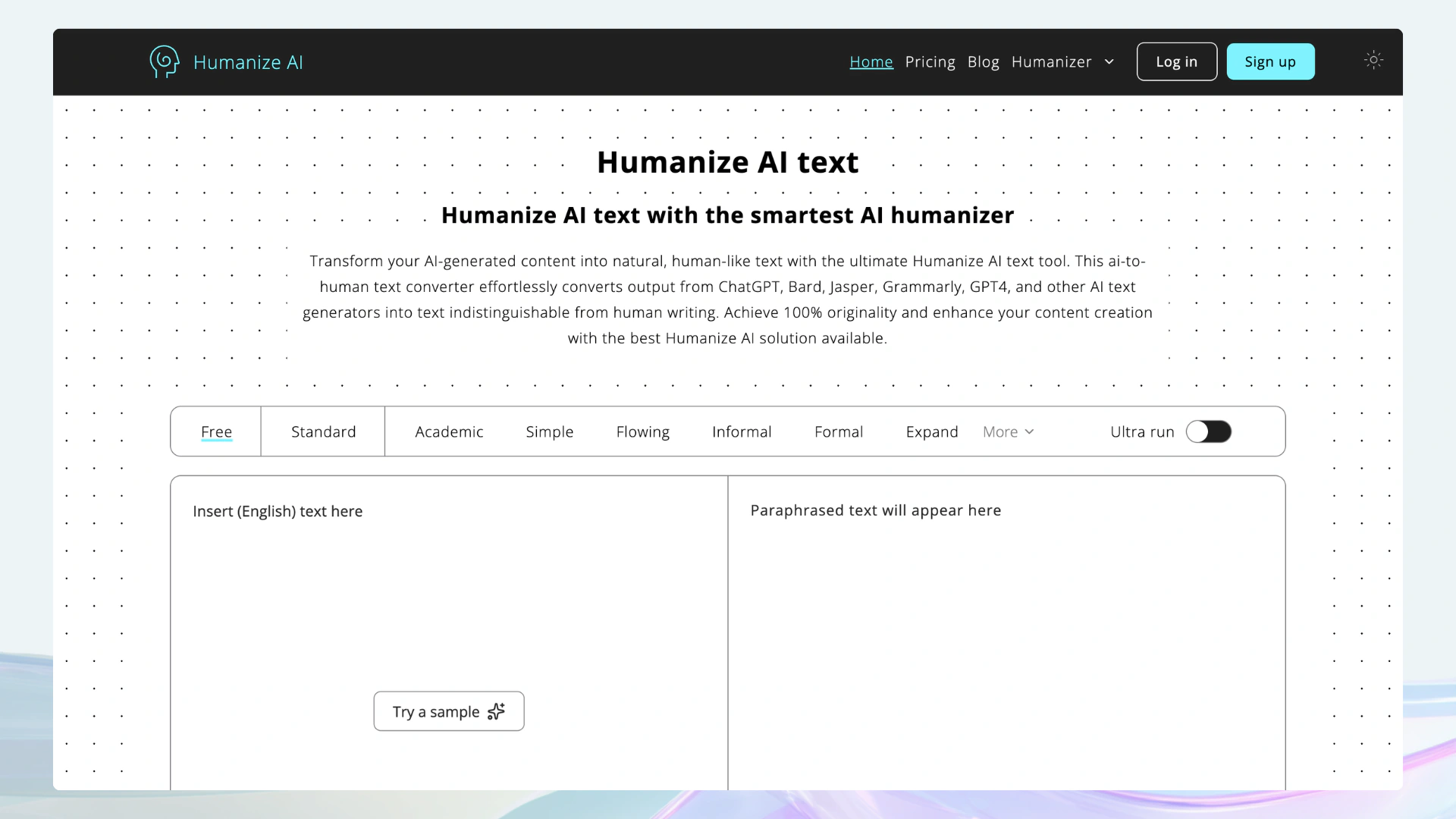
HumanizeAI.pro is designed for situations where AI text needs to hold up under review, not just sound smoother. Instead of surface-level rewriting, it targets structural patterns that detectors react to, including sentence predictability, pacing, and emphasis.
How it works in practice
HumanizeAI.pro restructures text at both sentence and paragraph level. It mixes sentence lengths, changes clause order, and reduces repetitive phrasing without forcing a casual tone. This makes it effective on raw AI drafts, lightly edited content, and heavily revised text where other tools often fail.
Detection-aware design
The tool is built with detection behaviour in mind. It focuses on burstiness and rhythm, which are key signals used by modern detectors. That approach makes it more reliable when content is checked multiple times during editing, publishing, or submission workflows.
Output quality and control
Meaning stays intact, and the writing does not drift into exaggerated style changes. This matters for SEO, academic work, and professional content where clarity and intent matter as much as detection results. Manual review is still necessary, but the starting point is far closer to natural human writing.
User reviews
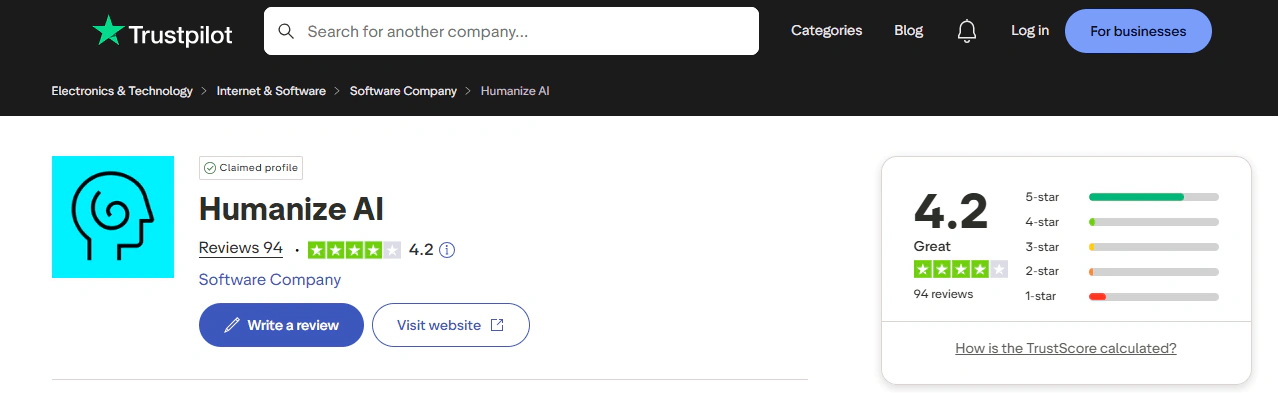
This website is truly amazing and helpful. I’ve been subscribing for half a year now. I work with a lot of AI-generated content, and this tool saves me so much time. Its service is impressive and often manages to bring AI detection scores all the way down to zero in just one go. I have to say I will genuinely recommend to try its Ultra run.
2. GPTinf - Best AI Humanizer tool for academic writing and long-form content
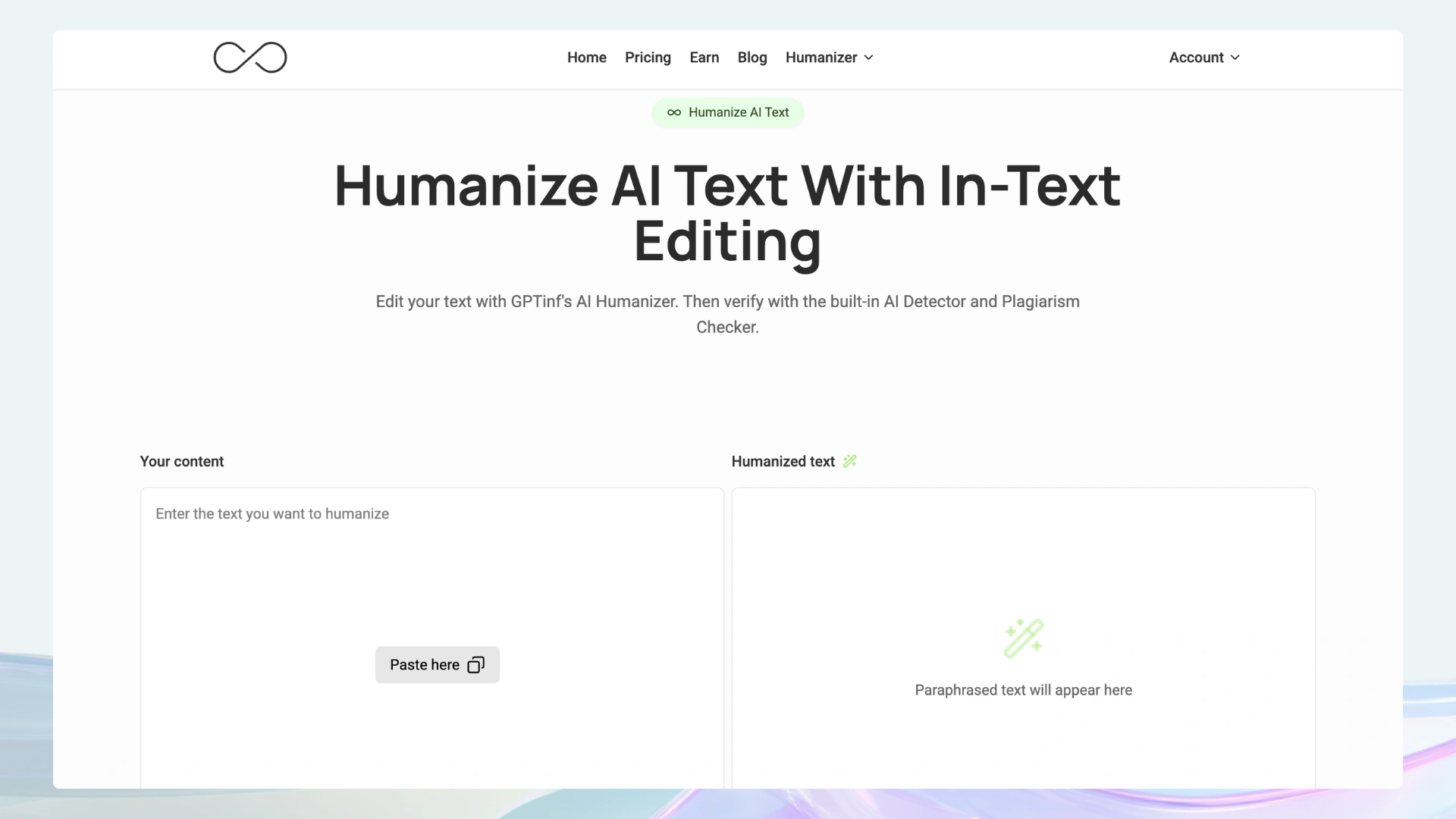
GPTinf is one of the more established websites that humanize AI writing, built for users who need reliable rewrites at scale. GPTinf outputs reached 95–98% human-likeness scores on detectors such as GPTZero and Originality.ai. That performance places it among the stronger options within current AI humanizer tools, particularly for longer documents where consistency matters.
Key features
- Keyword freeze to protect names, citations, and required terms
- Unlimited re-humanize and selective paraphrase
- Built-in AI detection and basic SEO keyword retention
- Multiple rewrite styles, including academic, casual, and formal
Pros
- Stable results on long-form content
- Fast processing for large word counts
- Full editing control over output
Cons
- Unlimited usage requires paid plans
Pricing
Lite $9.99/month, Pro $24.99/month, Unlimited $59.99/month.
User reviews
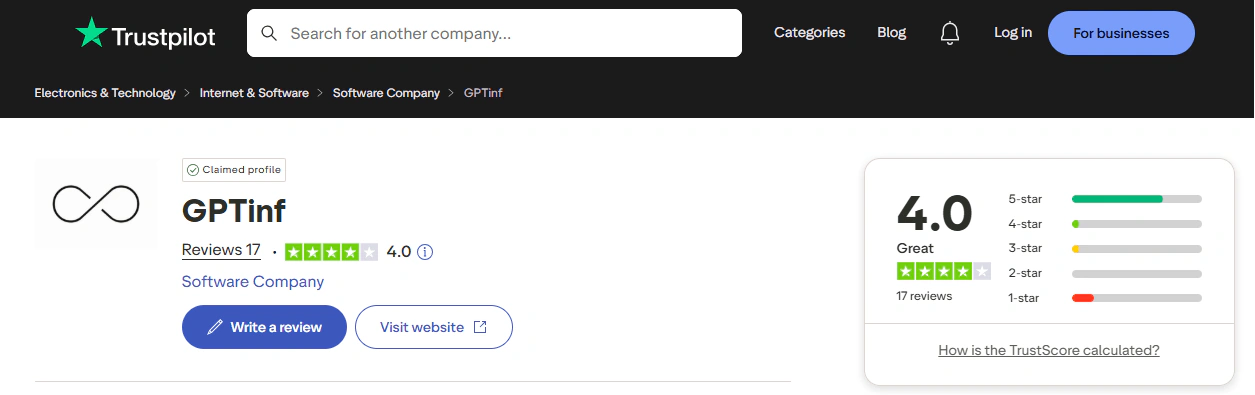
It's my honor sharing my experience on GPTinf. I used it for the last 6 weeks. Its accuracy is very promising as it redetects more, and satisfactorily enough, after once checked by other detection tools even though those detect a given write-up as human-written.
3. UndetectableAI.pro - Best for content where minor post-editing is acceptable
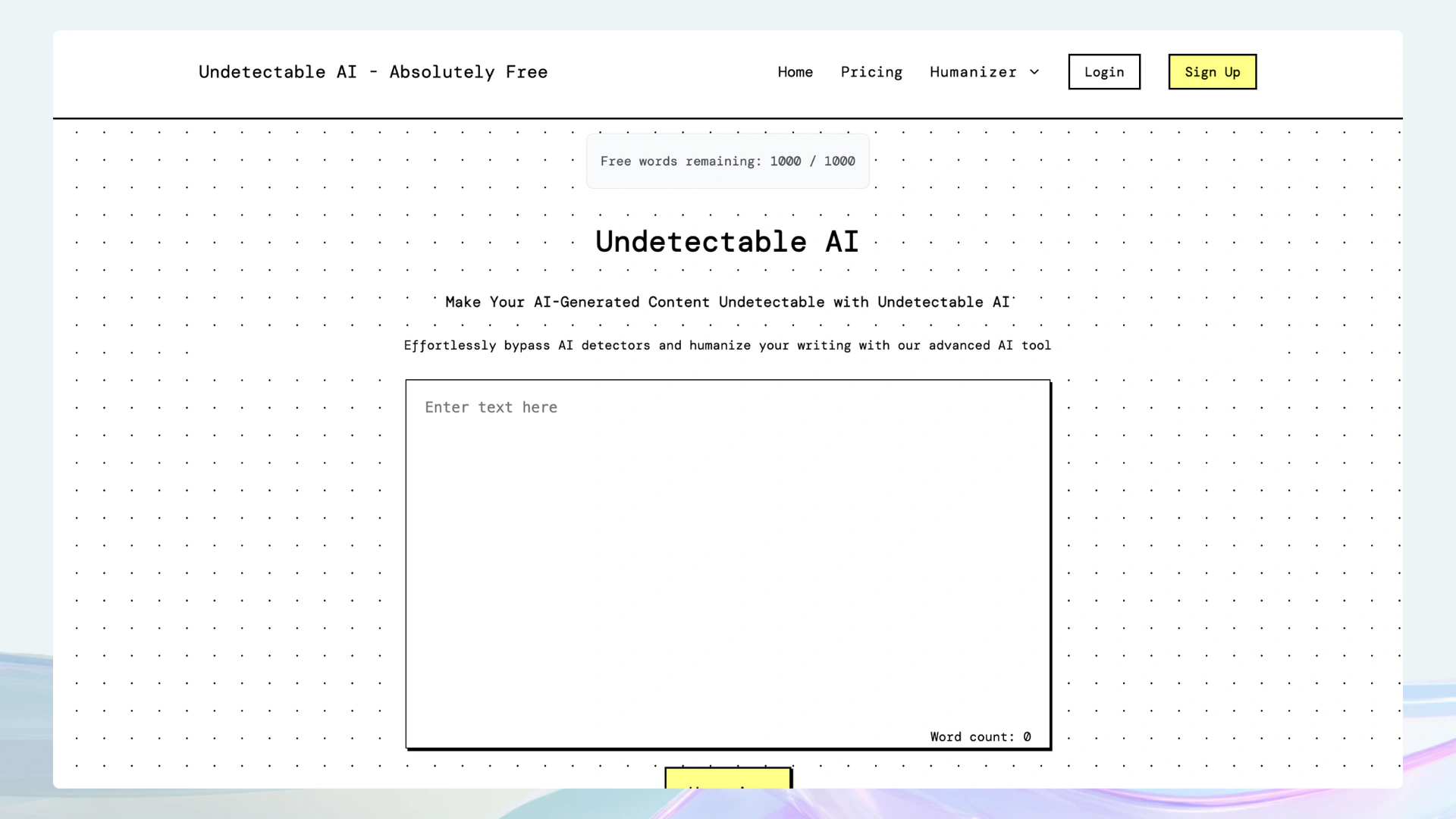
UndetectableAI.pro is commonly used as a top AI humanizer for short-form content where speed matters more than depth. User testing and 2025 tool comparisons show it performs reasonably well against detectors like GPTZero on brief drafts, which explains its popularity for quick rewrites rather than complex documents. Within the broader category of AI humanizer tools, it sits firmly on the fast-and-light end of the spectrum.
Key features
- Built-in detector preview before export
Pros
- Very fast turnaround
- Simple interface for quick use
- Low entry cost for casual users
Cons
- Manual editing is sometimes needed after processing
Pricing
Free plan with 1,000 words; paid plans start at $9.99/month, with higher tiers for expanded usage.
User reviews
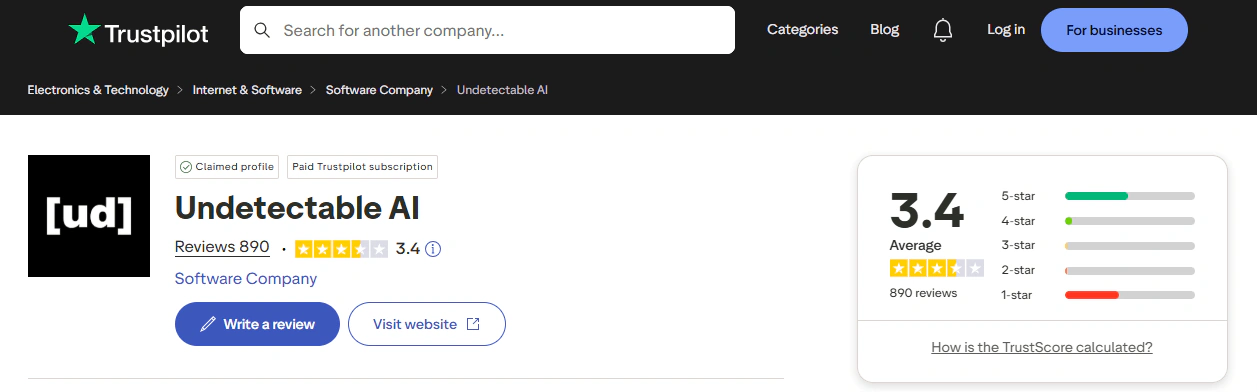
The staff member, Kate, is very professional and helpful. I give her 5 star rating.
However, I’m not happy with AI-Humanizer because of two reasons: the humanized text still shows AI detection score; the sentence structure is changed with poor grammar and language. I tried different settings following support team’s suggestions, but still faced similar issues.
Also, I wasn’t happy with 10,000 word limit/month - it’s too low for a researcher who writes a lot on daily basis. Several other platforms offer unlimited access.
4. StealthWriter - Best for freelancers, and marketers
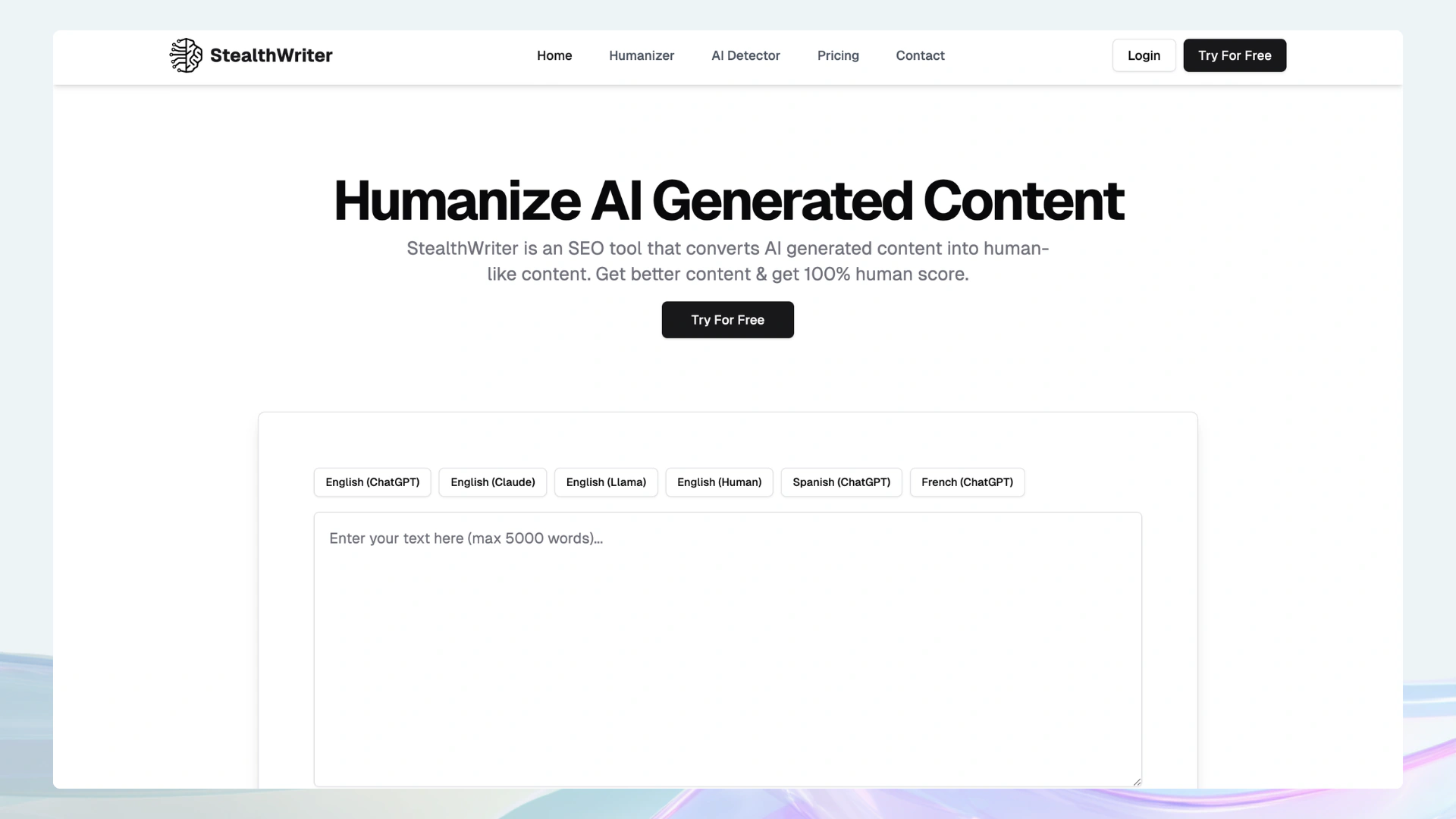
StealthWriter is positioned as a rewriting tool focused on reducing AI-detection signals and lowering AI probability scores. In practical testing, results vary depending on the detector used, with some outputs passing lightweight checkers while more advanced models may still flag portions of the text.
Key features
- Detector-focused rewriting modes (e.g., different humanization intensity levels)
- Built-in AI detection preview for quick feedback
- Sentence-level restructuring instead of surface synonym swaps
- Bulk rewriting options for longer documents
Pros
- Built-in detector preview helps iterate quickly
- Multiple rewriting strengths depending on risk tolerance
Cons
- Output may require manual polishing for tone consistency
- Higher rewrite intensity can reduce clarity
- Performance varies across advanced AI detection models
- Not designed for deep fact-checking or structural editing
Pricing
Free trial with 10 humanizing rounds and limited word credits; paid plans typically start around $20/month.
User reviews
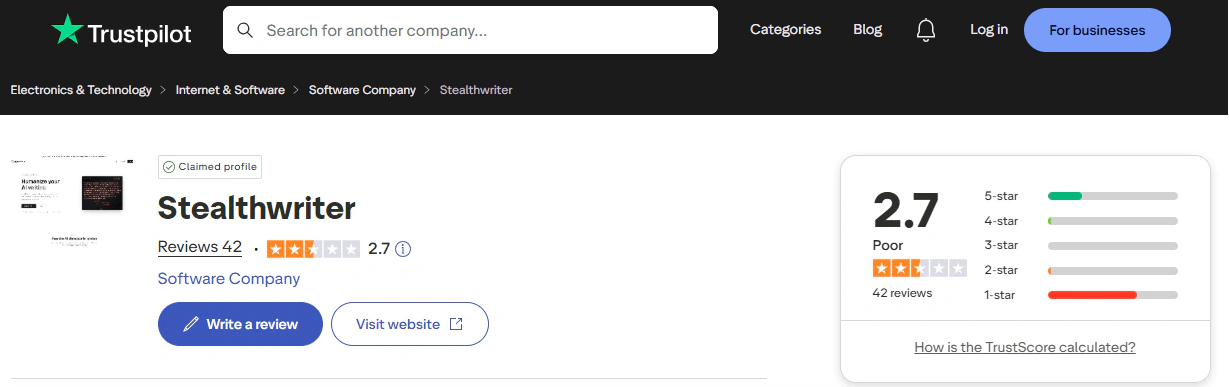
A good product indeed, at least serves my purposes. So far, going good, but it should focus more on website stability and content accuracy and regular updates.
5. HIX Humanizer - Best for Bloggers and small businesses
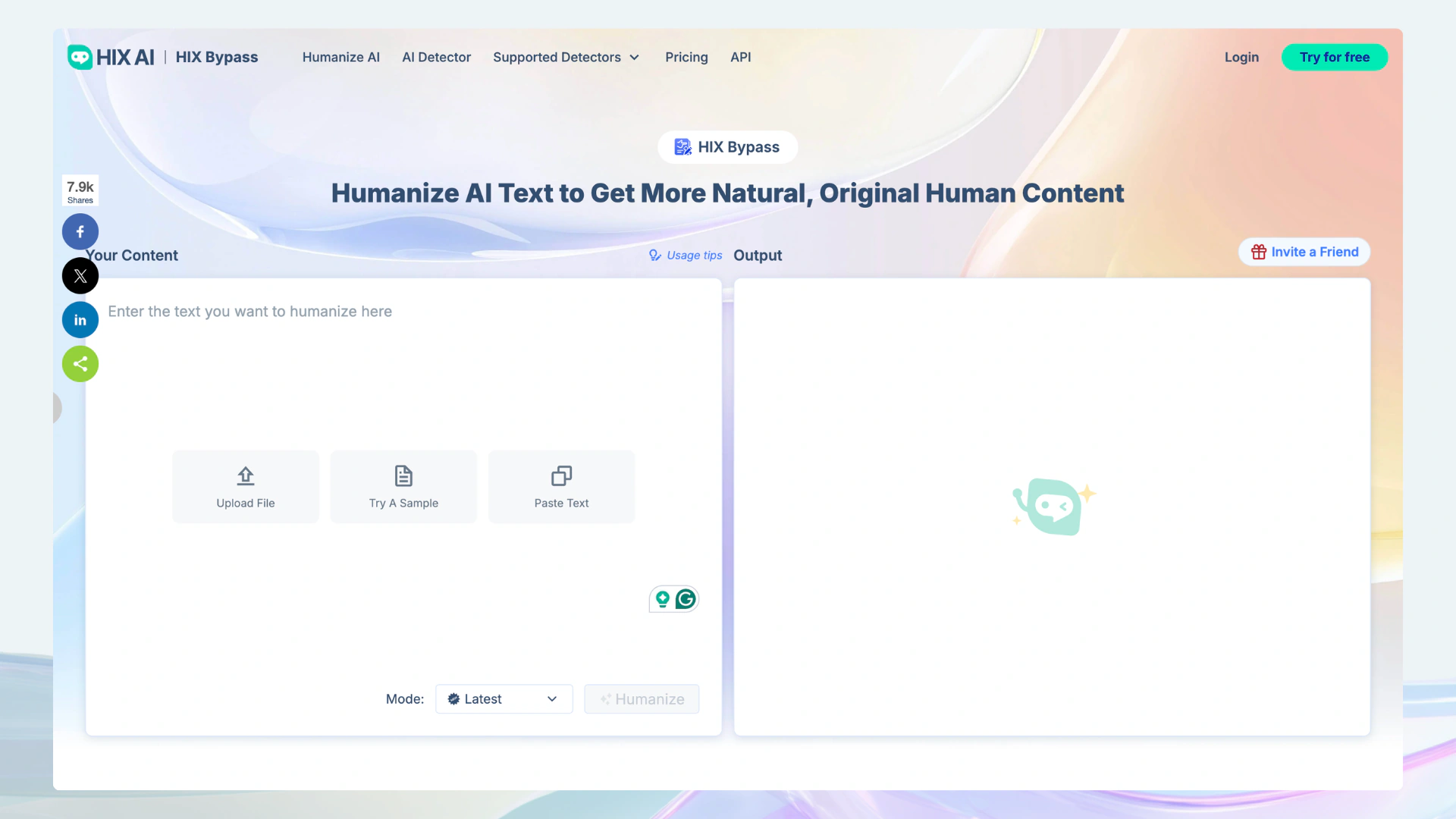
HIX Humanizer is built for straightforward AI text cleanup rather than advanced structural rewriting. It is often used by bloggers and small teams who need quick edits without learning complex controls. After HIX Humanizer rewriting, AI scores vary widely across detectors, ranging from 0% on some tools to high flags on others, showing inconsistent bypass performance.
Key features
- Simple paste-and-humanize workflow
- Tone options such as formal, casual, and creative
- Multi-language support covering 30+ languages
- Bundled grammar and plagiarism checks
Pros
- Easy to use, even for first-time users
- Budget-friendly entry plans
- Fast turnaround on short drafts
Cons
- Free tier word limits run out quickly
- Creative tone can flatten nuanced writing
- Less reliable on technical or complex topics
- No API support for scaling workflows
Pricing
Free plan with limited words; paid plans start at $9.99/month, with higher tiers for increased limits and unlimited use.
User reviews
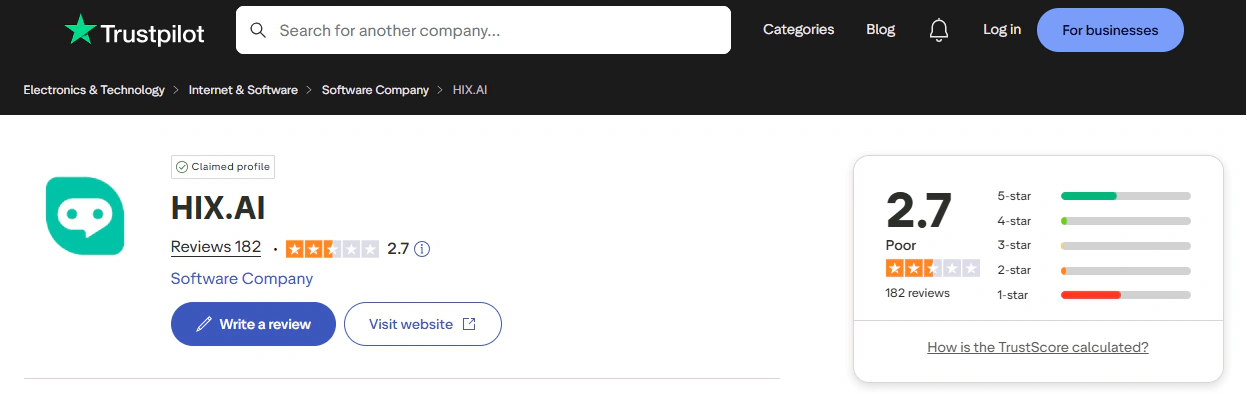
I’ve been using Hixx for a while, and it has great potential! The support team is responsive and proactive in addressing concerns, which gives me confidence in their commitment to improvement. Looking forward to seeing further refinements in the app. Great customer care!
6. QuillBot - Best for paraphrasing and natural tone tweaks
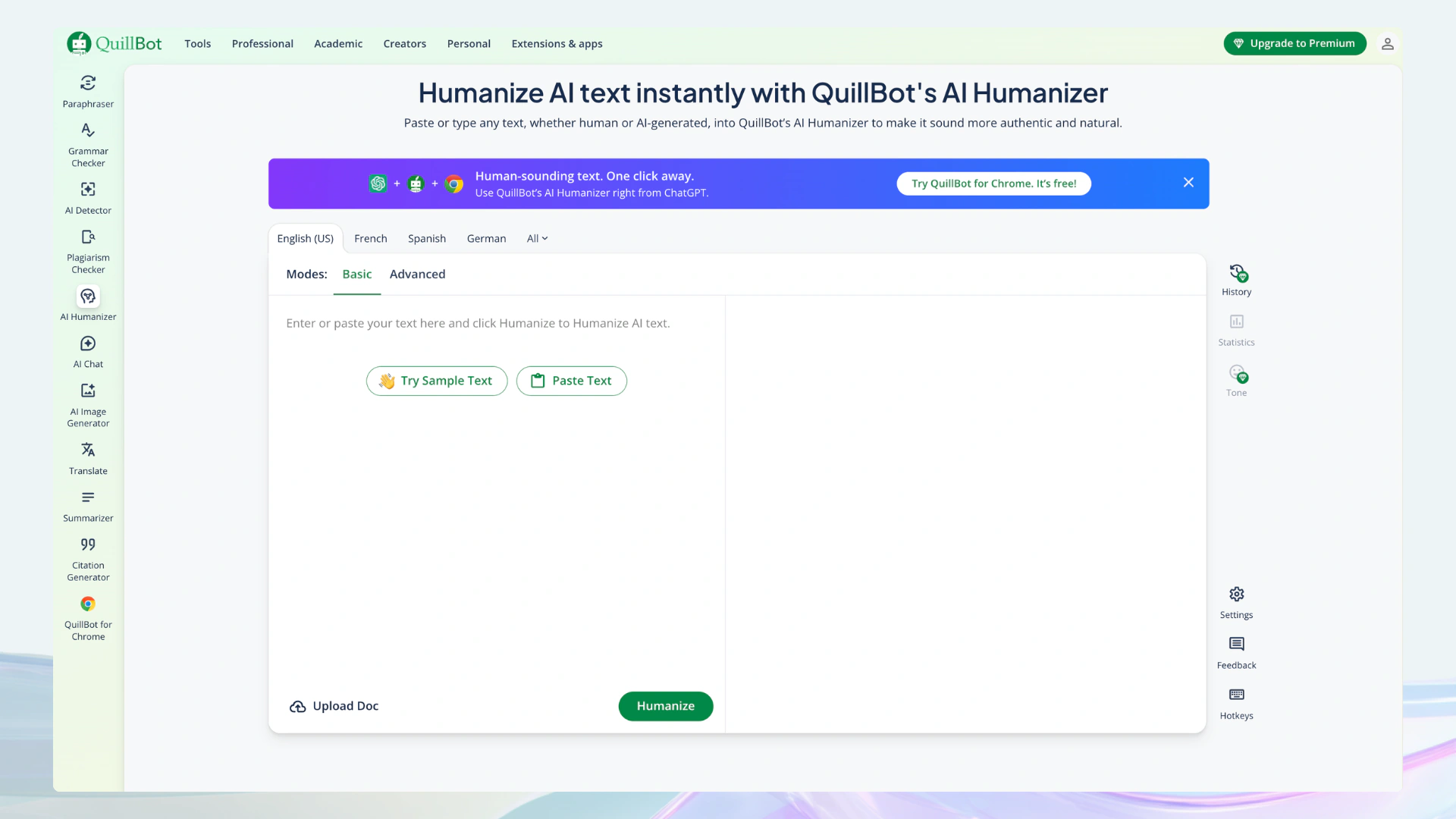
QuillBot is a paraphrasing-focused tool designed to improve fluency and readability rather than to handle detection-sensitive rewriting. It works well when you want AI text to sound smoother or slightly more natural, but it does not perform deep structural changes. That limitation becomes clear once the output is checked by modern AI detectors.
Key features
- Seven plus paraphrasing modes, including Standard, Fluency, Formal, Creative, Expand, and Shorten
- Synonym slider to control rewrite intensity
- Built-in grammar checker, summariser, and plagiarism scan
- Chrome extension and integrations with Google Docs and Microsoft Word
Pros
- Generous free tier for short paraphrases
- Easy to use for quick edits
- Strong fluency improvements
Cons
- Weak AI detection evasion
- Outputs can sound formulaic
- Slower on long documents
- Advanced modes require a paid plan
Pricing
Free plan with basic modes and word limits. Premium starts at $9.95/month, with team plans available.
User reviews
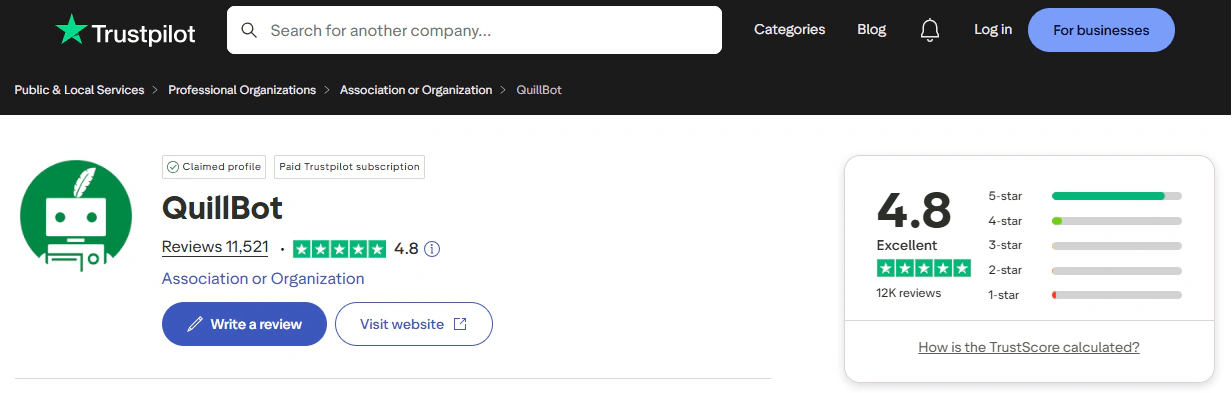
Everything is going well and is in progress. Though, the humanizing ability is still below other software that provides such a service.
How AI Humanizers work
AI humanizers target the specific traits that make AI text easy to spot, such as flat sentence lengths and repeated phrasing. They apply changes in stages rather than relying on simple word swaps.
Rephrase
Context-aware rewrites replace stiff wording with natural phrasing, idioms, and contractions drawn from large human-written datasets.
Restructure
Sentence length and rhythm are varied on purpose. Short statements interrupt longer explanations to increase burstiness, a key signal used by detectors like GPTZero.
Adjust tone
Tone controls shift the text toward blog-style, neutral, or academic writing through presets rather than manual editing.
Independent testing published by Skywork in 2025 reported that leading tools reached 95% or higher human-likeness scores on GPTZero and Originality.ai when structural rewriting was applied.
Why you need to Humanize AI content
AI detection now operates at scale. By mid-2025, GPTZero had processed over 600 million documents, according to its founder’s public update.
Humanizing AI content addresses three practical issues. It lowers detection risk by breaking predictable structure. It improves readability by introducing natural variation that keeps readers engaged. It also supports SEO, since Google evaluates content quality and usefulness rather than how it was produced. Skipping humanization increases the chance of flags, reduced visibility, and extra review work.
How to choose the right AI Humanizer
Choosing an AI humanizer is a practical decision, not a marketing one. Many tools produce acceptable results on short demos, but performance changes once content is edited, reused, or checked multiple times. When comparing options, focus on how well the best AI humanizer performs under real conditions rather than first-pass results.
AI detection bypass success rate
Bypass performance should be evaluated across different stages of editing. Some tools lower detection scores on raw AI output but struggle once content is revised or expanded. A reliable best ai humanizer maintains stable results on lightly edited, heavily rewritten, and mixed drafts. Consistency matters more than a single low score from one detector.
Text quality and tone retention
Humanization should improve flow without altering meaning. Strong tools preserve intent, key terms, and factual structure while removing mechanical patterns. If the tone becomes exaggerated or meaning shifts, the tool creates more work than it saves.
Pricing and usage limits
Pricing should align with actual usage. Low-cost plans often limit word counts or styles, which can slow down long-form work. Evaluate costs based on realistic monthly volume, not entry tiers.
Supported languages
Language support affects reliability. Tools built mainly for English may mis-handle multilingual content, increasing false positives. Test outputs in every language you publish.
The right choice supports your workflow instead of complicating it.
Key takeaways
- AI text gets flagged because of predictable structure, repetitive phrasing, and uniform sentence length, not because it is “badly written.”
- The best AI humanizer focuses on restructuring sentences and adjusting rhythm, not simple word replacement.
- Detection pressure now affects SEO, education, and publishing, making natural flow a requirement, not an option.
- HumanizeAI.pro performs best overall by handling edited and mixed-content drafts with stable results.
- Tools like GPTinf work well for long-form and academic content but still need review.
- Fast tools such as Undetectable AI suit short content but struggle with depth.
- Paraphrasers like QuillBot improve fluency but fail detection checks.
- Choosing the best AI humanizer depends on workflow fit, consistency after edits, and tone control, not marketing claims.
Conclusion
AI-generated text is no longer judged only by how readable it looks. It is judged by structure, predictability, and tone under detection systems that operate at scale. That is why choosing the best AI humanizer matters if you rely on AI to create content you plan to publish, submit, or distribute. A weak tool may smooth wording but still leave detectable patterns behind. A strong best AI humanizer focuses on structure, rhythm, and intent, which is what actually changes outcomes.
The tools covered in this guide show clear differences in how they approach humanization. Some work well for quick paraphrasing. Others handle detection pressure better on edited drafts. The best AI humanizer is the one that fits your workflow, preserves meaning, and reduces review friction instead of adding it.
FAQs
What does the best AI humanizer actually change in text?
The best AI humanizer changes sentence structure, pacing, and tone, not just vocabulary. This reduces predictable AI patterns that detectors flag.
Can the best AI humanizer guarantee content will pass detectors?
No best AI humanizer can guarantee results. Detection tools use probabilities, and manual review is still necessary.
Is a best AI humanizer better than paraphrasing tools?
Yes. The best AI humanizer focuses on structural rewriting, while paraphrasers mainly swap words.
Who should use the best AI humanizer?
Writers, students, marketers, and businesses that publish AI-assisted content and want it to read naturally under review.